Blog
How To Make The Perfect The Chippie Feast
2 Apr 2026
The Chippie Feast Thornaby brings together classic fish and chips with the hearty sides that define a proper North East takeaway. It centers on crispy battered fish, thick-cut chips, and traditional extras served hot and fresh.
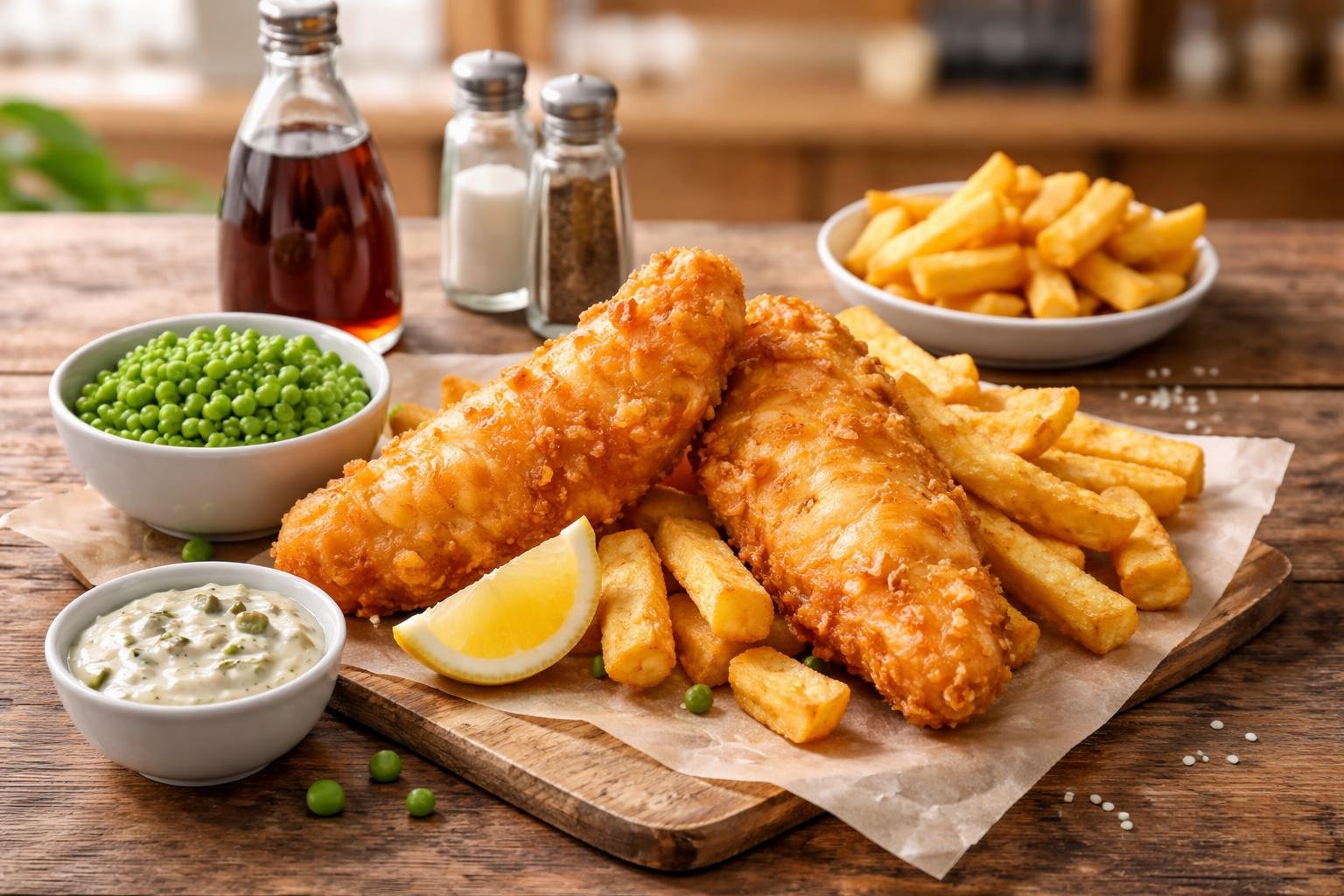
How To Make The Perfect The Chippie Feast
The Chippie Feast Thornaby brings together classic fish and chips with the hearty sides that define a proper North East takeaway. It centers on crispy battered fish, thick-cut chips, and traditional extras served hot and fresh.
To make the perfect The Chippie Feast Thornaby, they need quality white fish, freshly cut potatoes, proper frying temperatures, and well-balanced classic sides prepared with care.
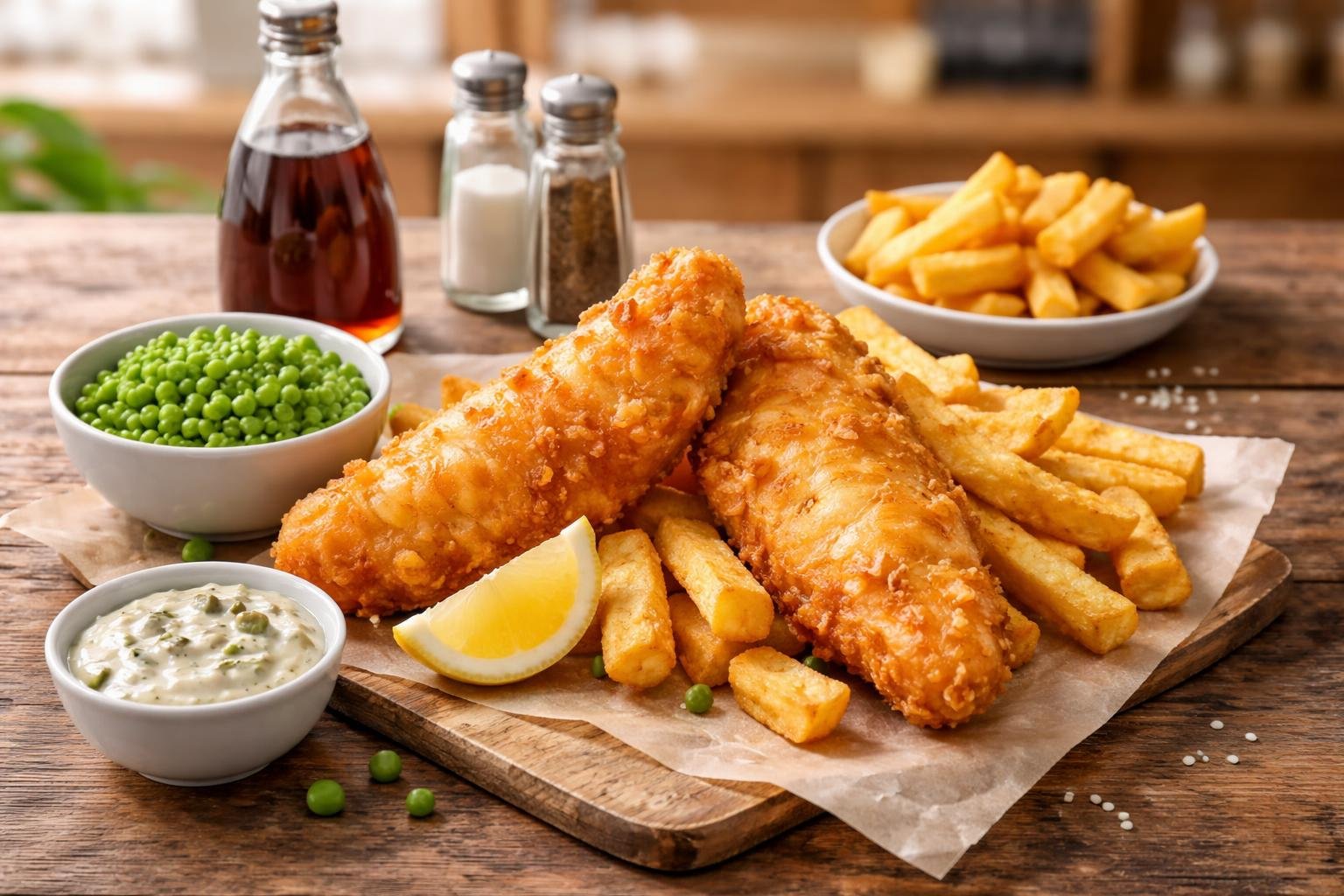
This guide breaks down exactly what goes into the feast, how to choose reliable ingredients, and how to execute each step with precision. It walks through preparation, frying techniques, and portioning so everything lands on the plate at its best.
Clear answers to common questions help them avoid soggy batter, undercooked chips, or unbalanced portions. With the right approach, they can recreate the full chippy-style experience at home with consistent results.
Essential Ingredients and Sourcing
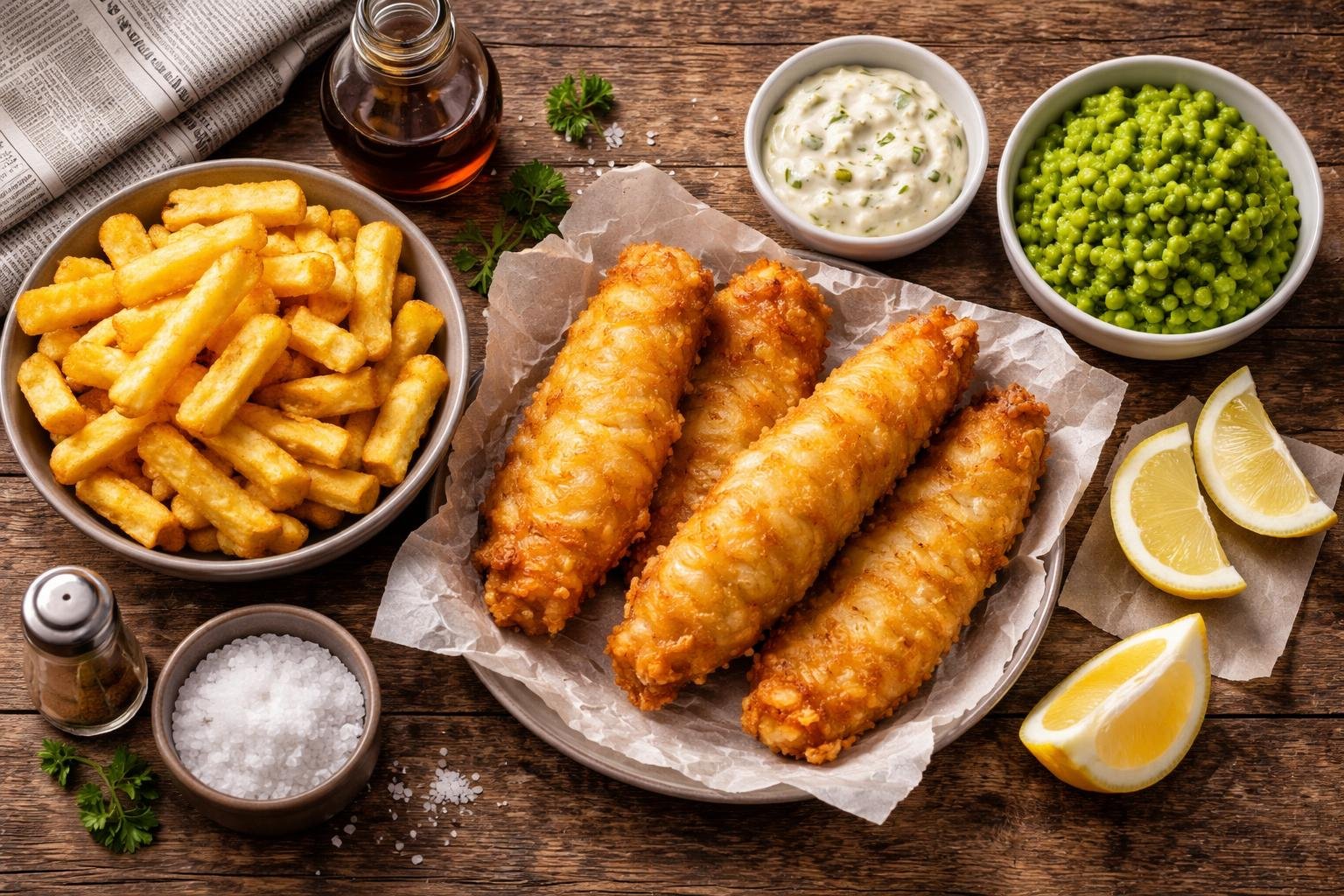
The Chippie Feast Thornaby depends on disciplined ingredient selection and careful sourcing. Fresh fish, high‑starch potatoes, proper marrowfat peas, and classic chip shop sides define its quality.
Selecting the Finest Fish
He should choose fresh Atlantic cod or haddock, as these species deliver the mild flavor and firm, flaky texture expected in a North East chippy meal. Cod offers larger flakes and a slightly softer bite, while haddock brings a slightly sweeter taste and firmer structure.
Freshness matters more than size. The fish should smell clean, not sour, and the flesh should appear translucent and glossy with no browning along the edges.
Whenever possible, he should buy from a trusted fishmonger who can confirm the catch date and storage conditions. Properly stored fish stays on ice at 0–2°C and remains dry, never sitting in pooled water.
Cut fillets into even portions, typically 170–225 grams each. Consistent thickness ensures even cooking and prevents overdone edges with undercooked centers.
Choosing Superior Potatoes for Chips
Chips require high-starch, floury potatoes. In the UK, Maris Piper remains the standard because it creates a fluffy interior and crisp exterior when fried correctly.
He should avoid waxy potatoes, as they hold too much moisture and produce dense chips. The ideal potato contains enough dry matter to form a crisp shell after frying.
Key selection criteria:
- Large, uniform size for even cutting
- No green patches or sprouting
- Firm texture without soft spots
Cut chips to about 1 cm thick for traditional chip shop style. A method similar to that used in English chip-shop style chips involves soaking cut potatoes in cold water to remove excess starch, drying thoroughly, then frying twice.
The first fry cooks the interior at a lower temperature around 130–140°C. The second fry at 180–190°C creates the crisp outer layer.
Authentic Mushy Peas Preparation
Mushy peas should use dried marrowfat peas, not garden peas. Marrowfat peas break down into the thick, slightly coarse texture associated with chippy peas.
He should soak the peas overnight with a small amount of bicarbonate of soda. Rinse thoroughly before cooking to remove excess soda and avoid bitterness.
Simmer gently for 30–40 minutes until the peas soften fully. Then mash lightly to keep some texture rather than blending smooth.
Season simply with salt and a small amount of white pepper. Some cooks add a small knob of butter for richness, but restraint keeps the flavor traditional.
Serve hot and thick enough to hold shape on a fork without running across the plate.
Traditional Sides and Sauces
The Chippie Feast Thornaby typically includes classic chip shop accompaniments. These elements add balance without overpowering the fish and chips.
Common additions include:
- Curry sauce, thick and mildly spiced
- Chip shop gravy, smooth and savory
- Pickled onions or gherkins for acidity
- Bread and butter for building chip butties
Salt and malt vinegar remain essential. Vinegar should be applied immediately after frying so it absorbs into the crisp surface.
When preparing larger spreads, inspiration from a giant charcuterie board layout can guide presentation. Arrange sides in separate bowls with clear spacing to prevent sauces from mixing.
Serve everything hot and in generous but controlled portions to maintain structure and temperature across the plate.
Step-By-Step Guide to Making The Chippie Feast Thornaby
A proper Chippie Feast relies on crisp batter, fluffy chips, and straightforward presentation. Each step focuses on texture, temperature control, and timing to deliver consistent results.
Preparing the Fish Batter
He starts with fresh white fish such as cod or haddock, cut into thick fillets and patted completely dry. Moisture prevents the batter from adhering and reduces crispness.
For the batter, he combines:
- 150g plain flour
- 30g cornflour
- 1 tsp baking powder
- ½ tsp fine salt
He then whisks in cold sparkling water until the mixture reaches the consistency of single cream. The carbonation creates a lighter crust.
He chills the batter for 20–30 minutes while heating oil to 180°C (356°F). Just before frying, he dusts each fillet lightly in flour, then dips it into the batter, allowing excess to drip off.
He lowers the fish carefully into hot oil and fries for 5–7 minutes until deep golden and crisp. The fish should float and the coating should feel firm when tapped.
Cooking Classic Chippy Chips
They use Maris Piper or Russet potatoes for the right balance of starch and structure. He cuts them into thick batons, about 1.5 cm wide, to replicate traditional chip shop style.
He rinses the cut chips in cold water to remove excess starch. After draining, he dries them thoroughly with clean towels.
A two-stage fry ensures the correct texture:
| Stage | Temperature | Time | Purpose |
|---|---|---|---|
| First fry | 130°C | 6–8 mins | Cook through without browning |
| Second fry | 180°C | 3–5 mins | Crisp and color |
After the first fry, he rests the chips for at least 10 minutes. This allows steam to escape and prevents sogginess.
He fries them again until golden, then seasons immediately with fine salt while hot so it adheres evenly.
Serving and Presentation Tips
They assemble the feast while everything remains hot. He lines a tray or box with greaseproof paper to absorb excess oil.
He places the fish alongside a generous portion of chips rather than stacking them. This prevents trapped steam from softening the batter.
Common additions include:
- Mushy peas
- Curry sauce
- Pickled onions
- Tartare sauce
He serves with lemon wedges and a wooden fork for authenticity. If wrapping for takeaway, he uses paper instead of airtight containers to maintain crispness.
Ensuring the Iconic Thornaby Experience
They focus on straightforward, traditional elements. The emphasis stays on freshly fried fish and thick-cut chips served without unnecessary extras.
Local chippies such as Thornaby Fish and Chips highlight simple service and hot food prepared to order. He mirrors this by frying in small batches instead of holding food under heat lamps.
He maintains clean oil, filters it regularly, and avoids overcrowding the fryer. Overloading reduces temperature and affects texture.
He keeps portions generous but balanced, ensuring the fish remains the centerpiece. Clear seasoning, proper wrapping, and prompt serving complete the experience.
Frequently Asked Questions
A proper chippy feast depends on smart ordering, precise frying temperatures, and careful handling after cooking. Clear terminology and industry standards also help diners understand what defines a quality fish and chip shop.
What should I order from a chippy for a well-balanced takeaway meal?
A balanced order usually includes cod or haddock, a regular portion of chips, and a side such as mushy peas. The fish provides protein, the chips supply carbohydrates, and peas add fiber and texture.
Some customers add curry sauce or gravy, but moderation keeps the meal from becoming overly heavy. Sharing a larger portion of chips can also control portion size without reducing variety.
If ordering locally, diners often check menus such as the one listed for Thornaby Fish & Chips takeaway to review portion sizes and sides before placing an order.
What are the most common mistakes people make when cooking fish and chips at home?
Many people fry at the wrong temperature. Oil that is too cool leads to greasy batter, while oil that is too hot burns the coating before the fish cooks through.
Skipping the double-fry method for chips also reduces quality. The first fry cooks the interior, and the second fry at a higher temperature creates a crisp exterior.
Overcrowding the fryer lowers the oil temperature quickly. This prevents proper crisping and produces uneven results.
How do I keep chips crisp and fish batter crunchy during serving and transport?
Steam ruins crispness. Wrapping food too tightly traps moisture and softens the batter within minutes.
Using ventilated packaging or loosely folded paper allows steam to escape. Separating fish and chips inside the box also reduces condensation.
For short transport times, keeping the box slightly open until just before serving helps maintain texture.
What are the best oil and temperature settings for frying chips and battered fish?
Most shops fry chips first at about 130–150°C to cook them through. They then increase the oil to 175–190°C for the second fry to achieve crisp edges.
Battered fish typically fries at 180–185°C. This range cooks the fish quickly while setting the batter before it absorbs excess oil.
Vegetable oil or beef dripping are common choices. The key factor is maintaining a stable temperature between batches.
What is the difference between saying “chippy” and “chippie,” and which is more common?
“Chippy” is the standard British spelling for a fish and chip shop. It appears most often in shop names, menus, and online listings.
“Chippie” is a less common variation. In most regions, customers and businesses use “chippy” as the default spelling.
For example, businesses such as Lanehouse Chippy in Thornaby use the “y” spelling in their official name.
Who won Chip Shop of the Year, and what typically sets the winners apart?
Industry awards such as the National Fish & Chip Awards recognize Chip Shop of the Year winners.
These shops meet strict criteria for food quality, hygiene, sustainability, and customer service.
Judges assess frying technique, sourcing standards, staff training, and cleanliness.
High food safety ratings, such as the 5 rating reported for Lanehouse Chippy, often reflect the operational discipline that award winners demonstrate.
For more, explore our home page.